

In my childhood we once had to move flats. We had a piano. It was HEAVY. Nobody could carry it. We tried three times, and on the third try the piano won.
An Old SQL Server Trick, Reborn. Changing a ClickHouse Sort Key Without Moving 4 TB

In my childhood we once had to move flats. We had a piano. It was HEAVY. Nobody could carry it. We tried three times, and on the third try the piano won.

When your production server starts coughing up errors, a DBA does not cry. RAM is as forgetful as wedding vows, and only an append-only log on disk remembers our sins down to the exact microsecond. All three heavyweights: MySQL, PostgreSQL, and SQL Server rely on the same core concept (Write-Ahead Logging): carve “I changed this row” into granite first, flush the buffer to disk, and only then pretend the data safely lives in the tables. But the devil, as always, lives in details.
Giving an AI agent access to production is like giving your neighbor a spare key. It's convenient, and he really does water the plants. Then one day you come home and he's moved the furniture. He was only trying to help.
None
None
There are two primary ways to deploy Clickhouse on Azure: 1. ClickHouse Cloud (Managed): sign up directly at clickhouse.cloud or via the Azure Marketplace. 2. Self-Hosted (VMs or Kubernetes): if you need more control over the environment
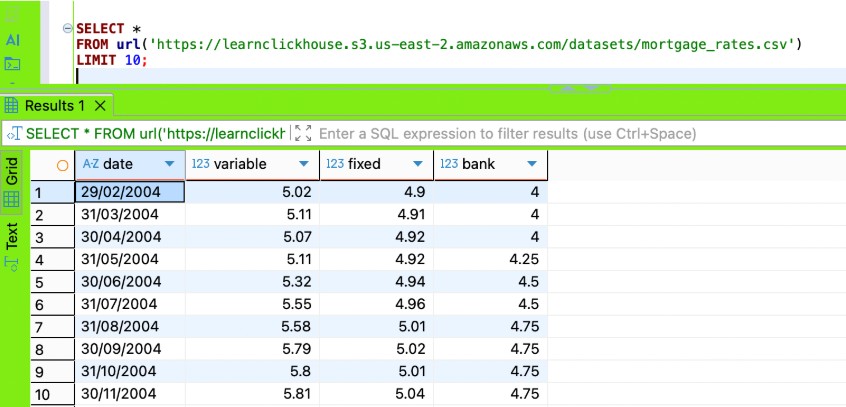
This week, while the coffee is slow and the world is loud, I am quietly enjoying a ClickHouse charming Dictionary structure, watching a billion rows find their meaning in a fraction of a second.
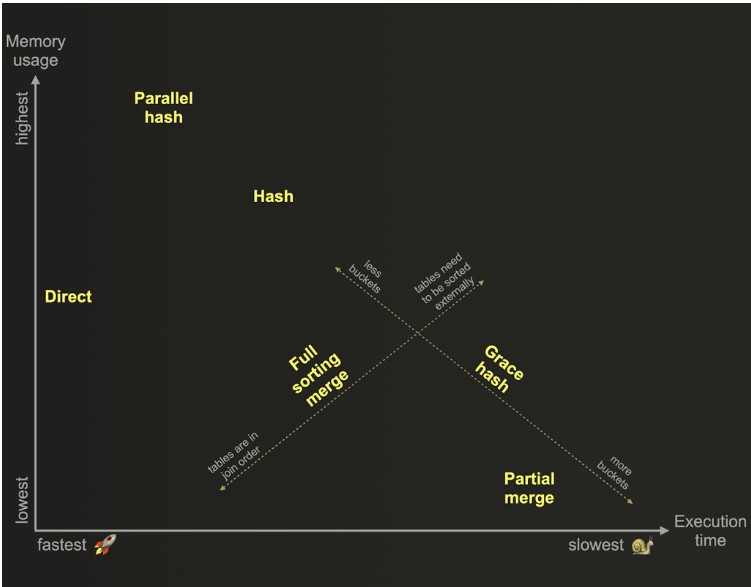
In analytical databases, JOINs are often the silent killer of query performance. Today I was diving deep into the different Clickhouse JOIN algorithms and want to share with you my summary.

These days, I am having a serious columnar affair with my new friend, ClickHouse. Since I have some experience with quite a few other data stores, I notice new features that I once wished were present. Today, I will share with you my reflection on some interesting Clickhouse data types that have grabbed my attention.
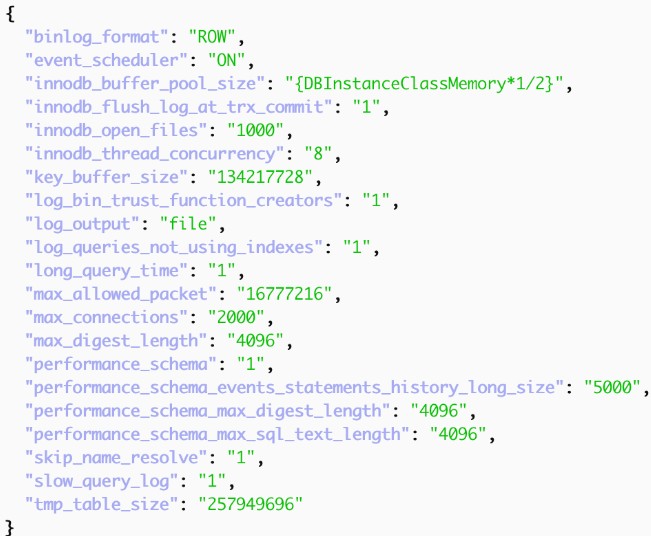
This blog post will solve a practical “headache” of cross-cloud MySQL configuration audit.